Phishing is one of the most common and damaging cyber security threats facing organisations today. Despite advances in technology and security tools, phishing attacks continue to succeed because they don’t just target systems, they target people. In simple terms, phishing is when cyber criminals impersonate a trusted individual or organisation to trick users into clicking malicious links, downloading harmful attachments, or sharing sensitive information such as passwords or financial details.
At Simoda, we see first-hand how phishing attacks can disrupt businesses of all sizes. From ransomware incidents and financial loss to reputational damage and operational downtime, the impact can be severe if a single message slips through the net.
 Phishing Risks
Why is phishing such a big risk to your organisation?
Phishing attacks are successful because they exploit human error rather than technical vulnerabilities. Attackers use carefully crafted messages that appear urgent, familiar, and legitimate often posing as IT teams, senior leaders, suppliers, or well-known brands.
Industry research shows that phishing remains the most common entry point for data breaches, with the human element playing a role in many cyber incidents. A single click can lead to stolen credentials, ransomware deployment, financial fraud, or unauthorised access to your network.
For organisations, the fallout can include…
01
Business interruption and downtime
02
Data breaches and compliance risks
03
Financial loss or ransom demands
04
Loss of customer trust and reputational damage
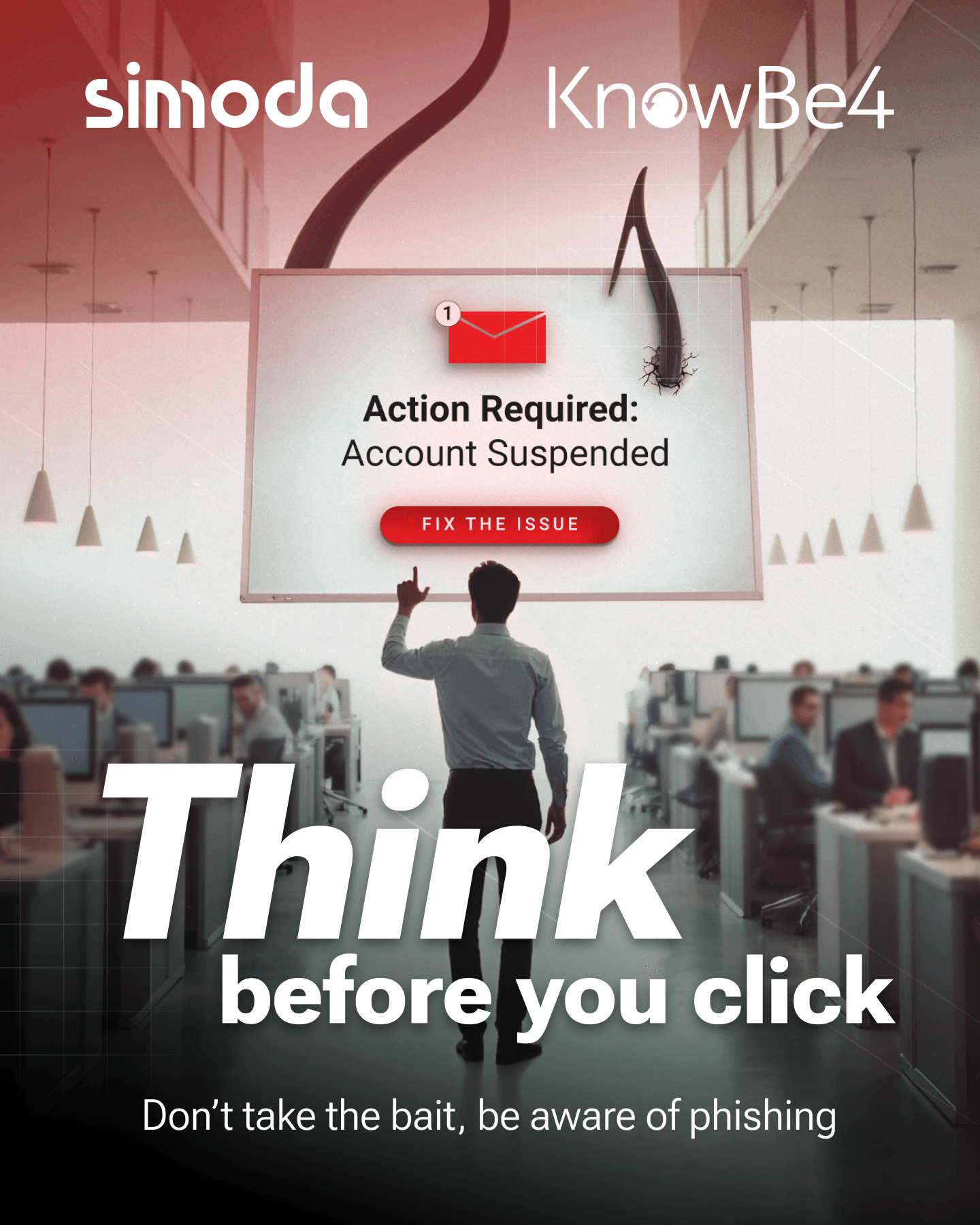
Phishing doesn’t discriminate it affects small businesses, growing organisations, and large enterprises alike.
Beware of Phishing TacticsCommon phishing tactics attackers use
Cyber criminals are increasingly sophisticated in how they design phishing emails. Some of the most common tactics include:
Urgency and pressure messages demanding immediate action, such as “reset your password now” or “invoice overdue”
Impersonation, pretending to be a trusted colleague, IT support, HR, or a well-known supplier
Familiar branding using logos, email signatures, and domain names that closely mimic legitimate companies
Emotional triggers such as fear, curiosity, or authority used to override rational decision-making
These tactics deliberately rush end users into making quick decisions, reducing the chance they stop and question whether the request is genuine.
Human ErrorHow human error leads to phishing success
Even the most cyber-aware employees can be caught out, especially during busy periods or when working remotely. Phishing campaigns are designed to blend into everyday workflows HR updates, document sharing requests, or routine IT notifications.
This is why relying solely on technology isn’t enough. A strong cyber security strategy must focus on people, not just systems.
Prevent Phishing AttacksHow to prevent phishing attacks
Preventing phishing requires a layered approach that combines technology, training, and culture. At Simoda, we help organisations strengthen their defences by:
Implementing advanced email security and monitoring
Raising awareness through real-world phishing simulations and training
Encouraging a culture where employees feel confident reporting suspicious emails
We work closely with KnowBe4, a global leader in security awareness training, to help organisations reduce human risk. KnowBe4’s data-driven training programmes educate users on real phishing tactics, reinforce positive behaviours, and significantly reduce click rates over time.
Practical steps every employee can take include
01
Pausing before clicking links or opening attachments
02
Checking sender addresses carefully
03
Being sceptical of urgent or unusual requests
04
Reporting anything suspicious rather than ignoring it
Phishing is not just an IT issue it’s a business risk. Understanding what phishing is, how it works, and why it succeeds is the first step towards protecting your organisation. With the right awareness, training, and technology in place, phishing attacks can be identified early and stopped before real damage is done.
Cyber Security Solutions
Learn more about out Cyber Security Solutions including Security Awareness Training, Email Security and Endpoint Protection. We'll work with you to develop a Cyber Security Strategy that work for your organisation.